
Pilonidal sinus · Surat
Pilonidal Sinus Treatment
Expert surgical treatment for pilonidal sinus with minimal scarring and low recurrence rates. End the cycle of infections.
- Minimal scarring
- Complete removal
- Low recurrence
- Quick recovery
- Success rate
- 95%
- Back to sitting comfortably
- 2–4 wks
The condition
Understanding pilonidal sinus
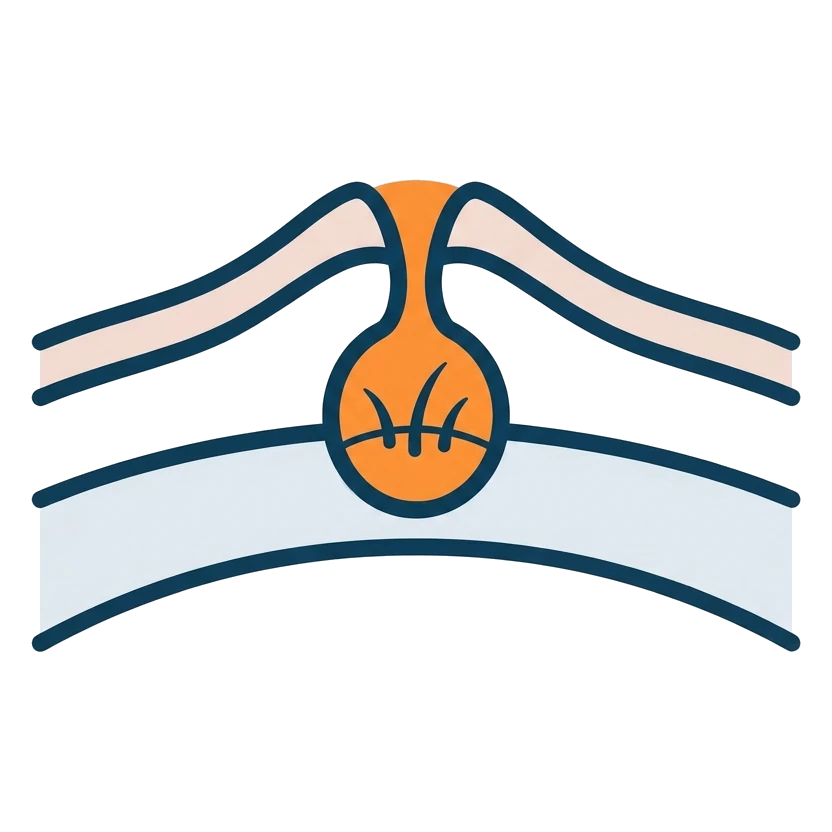
Pilonidal sinus is a condition where a small tunnel or cyst forms in the skin at the top of the buttocks crease (natal cleft). The word "pilonidal" means "nest of hair" - these cysts often contain hair and skin debris.
The condition commonly affects young adults, especially males, and can cause significant discomfort when infected. Without treatment, it tends to recur and can become a chronic problem.
Common symptoms
- 01 Pain and swelling at the tailbone area
- 02 Redness and warmth of skin
- 03 Drainage of pus or blood
- 04 Foul-smelling discharge
- 05 Visible pit or opening in the skin
A rapidly swelling, very painful lump with fever is an abscess and needs to be drained soon.
Signs explained
The signs of a pilonidal sinus
Tick what you notice to see what each sign can mean in plain words. The same signs can have other causes, so only an examination can say what it is.
Please be seen today
A hot, very painful swelling with fever can be an abscess, which usually needs draining soon. Do not wait for it to settle.
Tick what you notice
What each sign can mean will show here.
What these signs can mean
- A common sign of pilonidal sinus, but a boil, a cyst or another skin problem can feel the same.
- Hair and skin can collect in these small pits. They are easy to miss, so the doctor looks for them closely.
- Discharge can mean a small tunnel opens onto the skin. Other infections can cause it too.
- Flare-ups are worth describing at the visit: how often they come and how long they last.
- Both are linked with pilonidal sinus, but they are not signs of it on their own.
These signs can have more than one cause. A short examination of the area shows what it is, and Dr. Nikhil will explain your options.

Reviewed by Dr. Nikhil Krishnani MBBS, MS, FALS · laser proctology (IMMAST)
This is a guide to help you talk to a doctor, not a diagnosis. Only an examination can confirm what you have.
Ask Dr. Nikhil on WhatsAppTreatment
Pilonidal sinus treatment options
Dr. Nikhil offers several techniques. He explains which suits you after examining the area.
-
Laser Ablation
Minimally invasive laser treatment destroying the sinus tract with minimal tissue damage.
-
Excision & Primary Closure
Complete removal of the sinus with primary wound closure for faster healing.
-
Limberg Flap
A rhomboid flap of nearby skin is moved to close the wound and flatten the crease.
-
Open Excision
The wound is left open to heal from the inside out, with regular dressings.
What to expect
Before, during and after
- 01
Before
- Examination of the natal cleft to count pits and openings
- An active abscess is drained and allowed to settle first
- Routine tests and a clear cost estimate
- 02
During
- Done under anaesthesia
- The whole tract and its hair nest are removed or ablated
- The wound is closed, flapped or left to heal open, depending on the technique
- 03
After
- Usually home the same or next day
- Dressings and wound checks over 2–4 weeks
- Keeping the area clean and hair-free to stop it coming back
Recovery
Your recovery
Typical times. Your own plan depends on the procedure chosen and how you heal; Dr. Nikhil gives specific guidelines to each patient.
- Day 1 Home with dressing and pain advice.
- Week 1 Most patients can sit with some discomfort.
- 2–4 weeks Complete comfort returns, depending on the technique.
- After healing Hair removal in the cleft lowers the chance of recurrence.
FAQs
Frequently asked questions
Answers by Dr. Nikhil Krishnani MBBS, MS, FALS · Surat
What is pilonidal sinus?
What causes pilonidal sinus?
Will pilonidal sinus come back after surgery?
How long until I can sit normally after pilonidal surgery?
Other treatments
Book a consultation
Stop the recurring infections
Get definitive treatment for pilonidal sinus. Book your consultation today.
You'll be seen by Dr. Nikhil Krishnani Personally, at every OPD · MBBS, MS, FALS