
Diabetic foot prevention · Surat
Protect your feet with diabetes
Most diabetic foot wounds, infections and amputations start with something small that could have been prevented. A few daily habits and a regular foot check-up make the biggest difference.
- Foot screening
- Footwear advice
- Nail & skin care
- Education for family
- Daily check
- 2 min
- Foot screening
- Yearly
The condition
Why diabetic feet need care
Over the years, raised blood sugar can damage the nerves of the feet (neuropathy) and narrow the blood vessels that feed them. With less feeling, a stone in the shoe, a tight strap or hot water may not be noticed. With less blood flow, a small wound heals slowly and gets infected easily.
The good news is that these problems are largely preventable. Checking your feet every day, wearing the right footwear, caring for nails and skin, keeping sugars in range and not smoking all lower the risk. A regular foot screening finds the early changes, so you know how careful you need to be.
Dr. Krishnani trained in diabetic foot care under Dr. Arun Bal at S.L. Raheja Hospital, Mumbai, where prevention and patient education are the foundation of care.
Common symptoms
- 01 Numbness, tingling or burning in the feet
- 02 Feet that feel cold, or pain in the calves while walking
- 03 Dry, cracked skin, especially on the heels
- 04 Corns, calluses or hard skin
- 05 Thick, discoloured or ingrown toenails
- 06 A change in the shape of the foot or toes
A new wound, blister, redness, swelling or colour change on the foot should be shown to a doctor within a day or two, and the same day if it is red, swollen, smelly or comes with fever.
Foot-care habits
Habits that protect your feet
Ten everyday habits, and why each one matters. They add to your regular foot screening; they do not replace it. (For the 2-minute daily check itself, see the diabetic foot care page.)
-
Make it a 2-minute habit at the same time every day, with a mirror or a family member’s help for the soles.
-
Wear soft, closed slippers indoors. Numb feet do not feel stones, pins or hot floors.
-
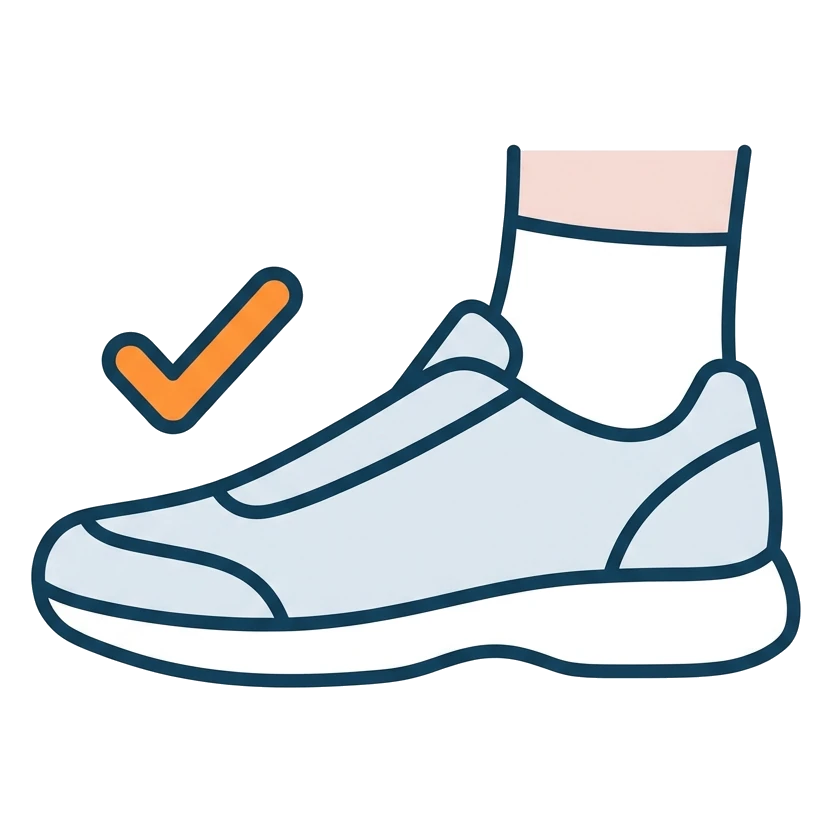
Choose a wide, deep toe box and a soft sole, buy in the evening, and avoid straps between the toes.
-
Shake them out and run a hand inside every time; a small stone can cause an ulcer in a day.
-
Test the water with your elbow, not your foot, and dry carefully between the toes to prevent fungal cracks.
-
A plain moisturiser on the heels and soles once a day prevents cracks that let germs in.
-
Cut straight across after a bath and file the edges. If you cannot see or reach well, get help.
-
Have corns and calluses treated in the clinic. Plasters, blades and hot water cause wounds on diabetic feet.
-
Ask your physician for your HbA1c every 3 months. Stopping smoking protects the blood flow to your feet.
-
Book a foot screening: a quick, painless test of feeling and pulses. Dr. Nikhil will explain what it shows.

Reviewed by Dr. Nikhil Krishnani MBBS, MS, FALS · laser proctology (IMMAST)
This is a guide to help you talk to a doctor, not a diagnosis. Only an examination can confirm what you have.
Ask Dr. Nikhil on WhatsAppTreatment
What prevention involves
Prevention is a partnership: the habits you keep at home, and the check-ups that catch problems early.
- At least yearly
Foot screening
A painless check of feeling (with a monofilament and a tuning fork), foot pulses, skin, nails, foot shape and footwear. Dr. Nikhil then tells you how often you need to be seen.
- Everyone with diabetes
Footwear advice
Closed, cushioned, well-fitting shoes with room for the toes, worn with socks, indoors and out. For deformities or a healed ulcer, custom insoles or footwear may be advised.
- As needed
Nail, skin and callus care
Safe nail cutting, moisturising dry heels, and trimming thick calluses and corns in the clinic rather than with blades or corn plasters at home.
- With your physician
Sugar, blood pressure and smoking
Keeping sugar, blood pressure and cholesterol in range and stopping smoking protect the nerves and blood vessels of the feet.
- Everyone
Education for you and family
Learning what to look for, what to avoid and when to call. Family members can check the soles if you cannot see them well.
What to expect
Before, during and after
- 01
Before
- Bring your sugar reports and medicines list
- Wear or bring the shoes and socks you use every day
- Note any numbness, pain or changes you have noticed
- 02
During
- Feeling tested with a monofilament and tuning fork
- Pulses felt at the ankle and top of the foot
- Skin, nails, foot shape and footwear checked
- 03
After
- Your risk level and how often to come back
- A personal footwear and care plan
- Callus or nail care done if needed
Recovery
Your recovery
Typical times. Your own plan depends on the procedure chosen and how you heal; Dr. Nikhil gives specific guidelines to each patient.
- Every day Look at both feet, wash and dry well, moisturise (not between the toes), wear socks and shoes.
- Every week Trim nails straight across if needed, and check your shoes for wear, stones or rough seams.
- Every 3 months Review sugar control (HbA1c) with your physician.
- Every year A full foot screening; more often if you have reduced feeling, poor pulses or a past ulcer.
FAQs
Frequently asked questions
Answers by Dr. Nikhil Krishnani MBBS, MS, FALS · Surat
How often should my feet be checked by a doctor?
What happens in a diabetic foot screening?
What kind of footwear is best?
Can I cut my own toenails?
Is it safe to use corn plasters or a blade on calluses?
Where does Dr. Nikhil see patients?
Other treatments
Book a consultation
When was your last foot check?
A short foot screening tells you your risk and what to do about it. Book one, and bring a family member along.
You'll be seen by Dr. Nikhil Krishnani Personally, at every OPD · MBBS, MS, FALS