
Diabetic foot ulcer · Surat
Diabetic Foot Ulcer Care
A small wound on a diabetic foot can become serious within days. Early, regular care takes the pressure off, cleans it properly and helps it heal, and catches the wounds that need a surgeon.
- Wound assessment
- Offloading
- Dressings & debridement
- Limb-saving focus
- See a doctor within
- 1–2 days
- Usual reviews
- Weekly
The condition
Why diabetic wounds heal slowly
Diabetes can damage the nerves of the feet, so a blister, cut or pressure spot may not hurt at all. It can also narrow the blood vessels, so less blood reaches the wound, and high sugars weaken the body’s defence against infection. Together, these let a small wound grow and get infected without being noticed.
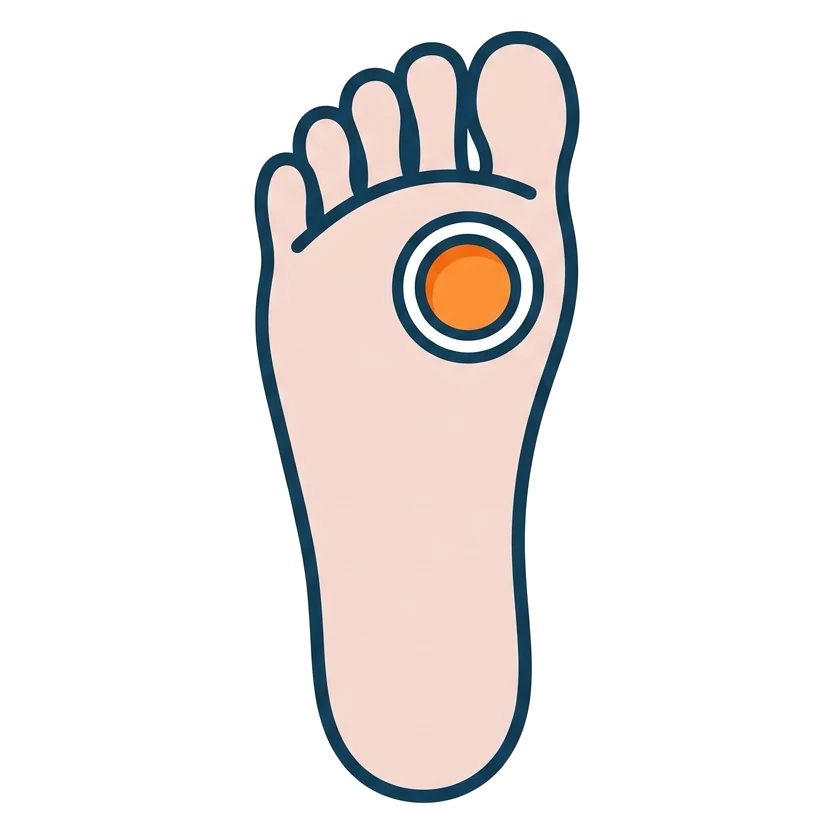
Most diabetic foot ulcers form where the foot takes pressure: the ball of the foot, the tips of the toes and the heel, often under a corn or callus, or where a tight shoe rubs. Walking on an ulcer keeps pushing it open, which is why taking the pressure off is as important as the dressing.
Dr. Krishnani trained in diabetic foot care under Dr. Arun Bal at S.L. Raheja Hospital, Mumbai. Care starts with finding out how deep the wound is, whether it is infected and how good the blood supply is, because those three decide the treatment.
Common symptoms
- 01 A blister, cut, crack or sore on the foot that has not healed in a few days
- 02 A hard callus with a dark spot or fluid under it
- 03 Fluid or stains on the sock
- 04 Redness, warmth or swelling around a wound
- 05 A wound that smells, or has black or grey tissue
- 06 Little or no pain from a wound you can see
A wound with spreading redness, swelling, pus, a bad smell, black skin, fever or very high sugars needs to be seen the same day. Do not wait for pain; numb feet may not hurt even when the infection is serious.
Wound guide
What does the wound look like?
Tap a picture to see what that kind of wound means, how soon to have it seen and what the doctor checks.
Tap a picture to see what that kind of wound means and what the doctor checks.
Show Dr. Nikhil within a day or two
A red spot or blister
The skin is under pressure or rubbing, but is not yet open. This is a good time to have it seen, before it can turn into an open wound. Until then, do not burst a blister or cut the skin; cover it with a clean, dry dressing.
What Dr. Nikhil checks
- Looks at the spot and what is pressing or rubbing on it
- Checks feeling and the pulses in the foot
- Looks at your footwear, calluses and foot shape
Only an examination shows how deep a wound is and what it needs. He will explain the care at the visit.
Show Dr. Nikhil within a day or two
An open, shallow wound
The skin has broken. Even a small open wound can deepen or get infected if it is walked on.
What Dr. Nikhil checks
- Measures the wound and checks how deep it goes
- Looks for signs of infection
- Checks feeling and blood flow in the foot
- Reviews your sugar control
Only an examination shows how deep a wound is and what it needs. He will explain the care at the visit.
See a doctor within 24 hours
A deep wound
You can see deeper tissue, a hole that goes in, or bone or tendon. Deep wounds can hide infection and may reach the bone.
What Dr. Nikhil checks
- Checks how deep the wound goes
- Often an X-ray, and sometimes further scans, to look at the bone
- Looks for hidden infection
- Checks blood flow to the foot
Only an examination shows how deep a wound is and what it needs. He will explain the care at the visit.
Call +91 70168 88309Today. This is an emergency
Smell, pus or black tissue
A bad smell, pus, black or grey tissue, or spreading redness means infection or dying tissue. It can spread through the foot within a day or two.
What Dr. Nikhil checks
- A same-day examination
- Blood tests, including sugar and signs of infection
- An X-ray of the foot
- Checks how far the infection has spread
Only an examination shows how deep a wound is and what it needs. He will explain the care at the visit.
Call +91 70168 88309At any stage, spreading redness, swelling, fever or very high sugars mean infection: see the same-day danger signs.

Reviewed by Dr. Nikhil Krishnani MBBS, MS, FALS · laser proctology (IMMAST)
This is a guide to help you talk to a doctor, not a diagnosis. Only an examination can confirm what you have.
Ask Dr. Nikhil on WhatsAppTreatment
How a diabetic ulcer is treated
These are the parts of wound care Dr. Nikhil offers. Which ones you need is decided after he has examined the wound.
-
Assessment
Examining the depth and size of the wound, testing feeling in the foot, checking the foot pulses, and when needed an X-ray, a wound swab or a blood-flow (Doppler) study.
-
Offloading
Taking weight off the wound with special dressings, a cast or boot, a walker or crutches, or modified footwear. A wound that is walked on cannot heal.
-
Debridement
Removing the callus, dead and unhealthy tissue from the wound so healthy tissue can grow, in the clinic or in the operation theatre.
-
Dressings and sugar control
The right dressing for the wound’s stage, changed as advised, with blood sugar brought under control together with your physician. Antibiotics only when there is infection.
-
Surgery
Draining pus, removing infected tissue or bone, and later closing or covering the wound. If the blood supply is poor, you are referred for a vascular opinion, because a wound needs blood flow to heal.
What to expect
Before, during and after
- 01
Before
- Bring your sugar reports, medicines list and the footwear you usually wear
- Do not put home remedies, powders or hot fomentation on the wound
- Keep weight off the foot as much as you can
- 02
During
- Wound examined, measured and photographed for follow-up
- Feeling and pulses checked; X-ray or tests if needed
- Clinic debridement and dressing; offloading advice or device
- 03
After
- Dressings at home or in the clinic as advised
- Review visits, often weekly, until it heals
- Footwear advice so it does not come back
Recovery
Your recovery
Typical times. Your own plan depends on the procedure chosen and how you heal; Dr. Nikhil gives specific guidelines to each patient.
- First visit The wound is cleaned and dressed, and you leave with an offloading plan and a dressing schedule.
- Weekly Review, debridement if needed, and a check that the wound is getting smaller. A wound that is not improving is re-assessed.
- Weeks to months Healing time depends on depth, infection, blood supply and sugar control; small, clean wounds heal sooner.
- After healing Proper footwear, daily foot checks and regular foot screening, because a healed ulcer can come back.
FAQs
Frequently asked questions
Answers by Dr. Nikhil Krishnani MBBS, MS, FALS · Surat
How long does a diabetic foot ulcer take to heal?
Why does my wound not hurt?
Can I keep walking on it?
Should I apply turmeric, powders or hot water to the wound?
Will I need an operation?
Where does Dr. Nikhil see patients?
Other treatments
Book a consultation
Have a wound that won’t heal?
Do not wait for it to hurt. A diabetic foot wound seen early is far easier to heal.
You'll be seen by Dr. Nikhil Krishnani Personally, at every OPD · MBBS, MS, FALS